Can Babies Eat Greek Yogurt? What Sri Lankan Parents Need to Know
As a parent in Sri Lanka, one of the most common questions you’ll face as your baby starts solids is: what yogurt is safe to give them?
You want something natural, nutritious and gentle, free from the preservatives and additives that fill so many commercial products.
Greek yogurt keeps coming up as a recommendation from pediatricians and nutritionists worldwide, but can your baby actually eat it, and how do you choose the right one?
This guide answers every question Sri Lankan parents are asking about Greek yogurt and babies: from the right age to introduce it, to what to look for on the label, to simple serving ideas your little one will love.
When Can Babies Start Eating Greek Yogurt?
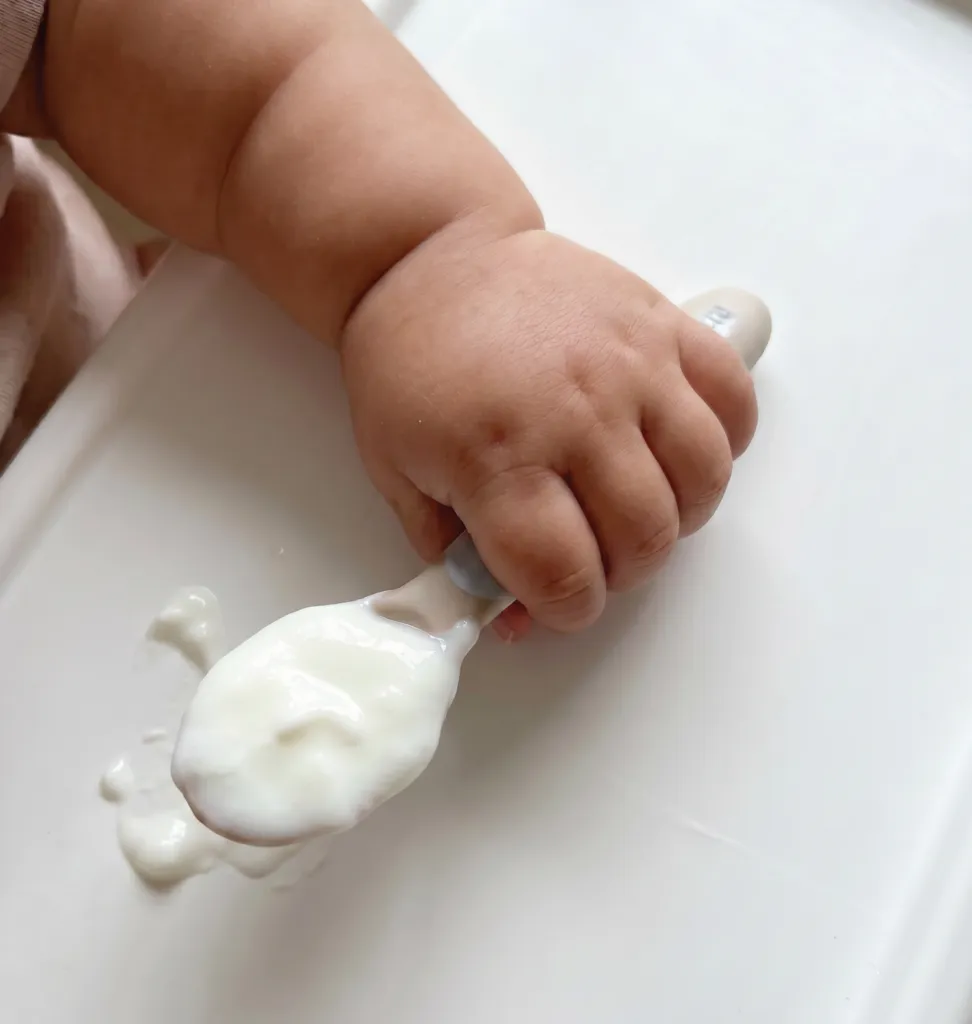
Most pediatric nutritionists recommend introducing yogurt to babies from around 6 months of age, the same time solid foods are generally introduced.
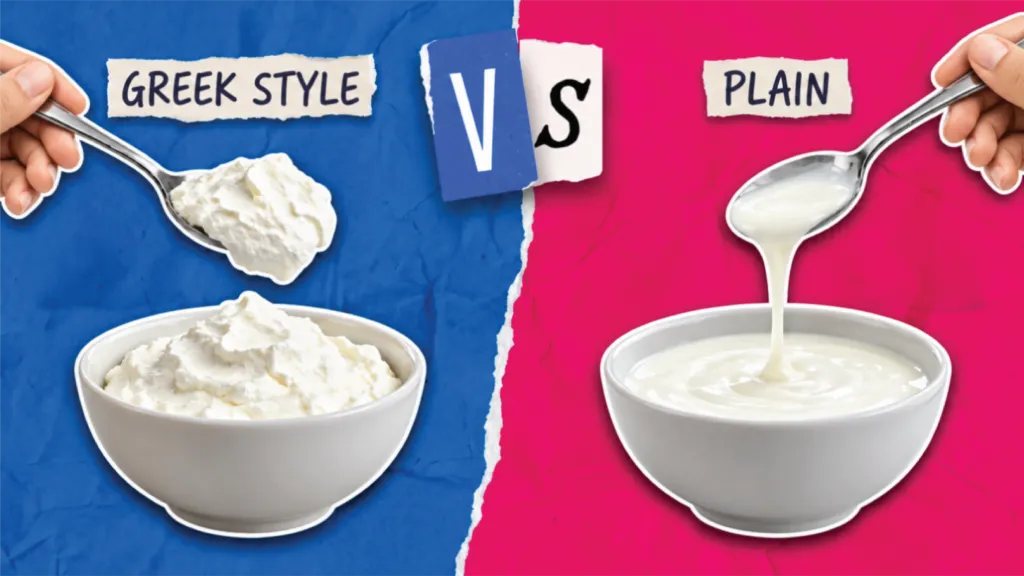
Greek yogurt, with its smooth thick texture, is actually an ideal early food because it’s easy to swallow and doesn’t require chewing.
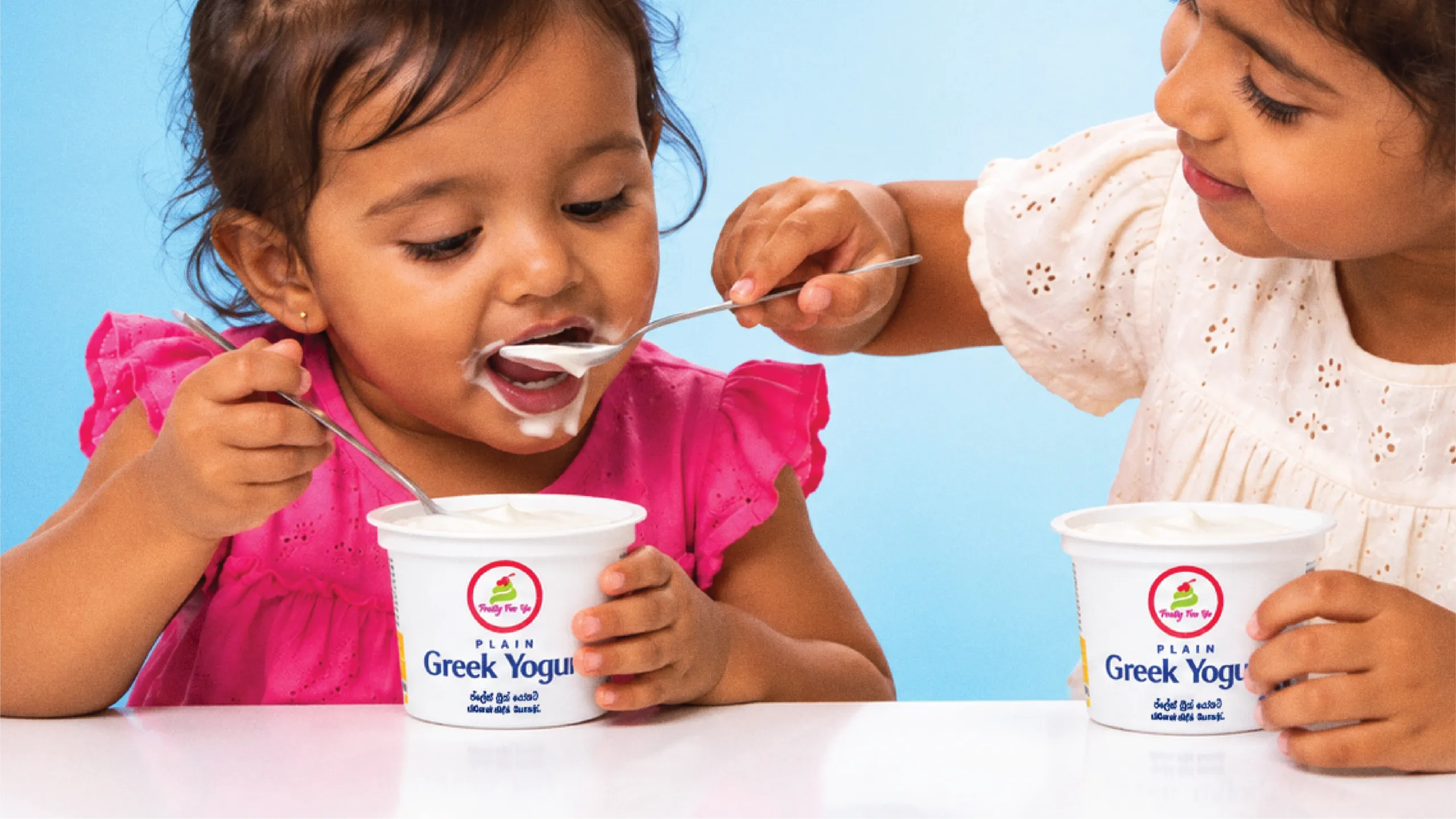
At Frutty Fro Yo, we’ve seen our Greek yogurt being happily eaten by babies from 8 months old: an age at which babies are typically confident with a wider range of textures and flavours.
Always consult your pediatrician before introducing new foods, and start with small amounts to watch for any reactions.
Is Greek Yogurt Safe for Babies?
Yes, real, natural Greek yogurt made without preservatives, artificial flavours or added sugar is considered safe and beneficial for babies from around 6–8 months.
Here’s why parents and healthcare professionals recommend it:
- High in protein — supports healthy muscle development and growth
- Rich in calcium — essential for developing strong bones and teeth
- Contains live cultures — supports gut health and a healthy digestive system
- Thick, smooth texture — easy for babies to manage and swallow
- Versatile — can be served plain or mixed with pureed fruit for added flavour
The key word is “real“.
A Greek yogurt with a long list of additives, stabilisers and preservatives is not the right choice for a baby’s developing digestive system.
You want the cleanest, most natural product you can find.
What to Avoid When Choosing Yogurt for Your Baby
Not all yogurts are created equal, and in the Sri Lankan market there are several things to watch out for when choosing yogurt for a baby:
- Added sugar Many flavoured yogurts — including products marketed as “Greek style” contain significant amounts of added sugar.
- Babies under 12 months should not have added sugar in their diet.
- Always choose plain yogurt and add natural sweetness yourself with pureed banana, mango or other fruit your baby enjoys.
- Preservatives and stabilisers Potassium sorbate, carrageenan, modified starch, gelatin: these are common additives in commercial yogurt that have no place in baby food.
- Always read the ingredient list.
- For babies, the rule is simple: if you can’t pronounce it and it doesn’t belong in a kitchen, it shouldn’t be in their yogurt.
- Low-fat or fat-free products
- Babies need healthy fats for brain development. Full-fat Greek yogurt is the right choice for babies under 2 years old.
- Do not give low-fat or fat-free yogurt to infants: they need the calories and fat for proper growth.
- Flavoured yogurts with artificial colours or flavours Stick to plain Greek yogurt for babies and add your own fruit..The artificial colours and flavours in commercial flavoured yogurts are unnecessary and inappropriate for babies.
How to Serve Greek Yogurt to Your Baby
The beauty of Greek yogurt for babies is how versatile it is.
Here are some simple, nutritious serving ideas:
- Plain on a spoon — let them experience the pure tangy flavour
- Mixed with mashed banana — a naturally sweet combination babies love
- Stirred with pureed mango — a very Sri Lankan combination that works beautifully
- Blended with cooked and pureed sweet potato — savoury and creamy
- Mixed into baby oatmeal — adds protein and creaminess to porridge
- As a dip for soft cooked vegetable pieces for older babies doing baby-led weaning
Start with 1–2 tablespoons and gradually increase the amount as your baby gets used to it.
There’s no need to warm Greek yogurt. Most babies are happy to eat it straight from the fridge once they’re used to solid foods.
Why Sri Lankan Parents Choose Frutty Fro Yo for Their Babies
Frutty Fro Yo is a proudly Sri Lankan family business and we understand exactly what Sri Lankan parents want when it comes to feeding their children.
Our Greek yogurt is made from pure local milk with our own live cultures, nothing else.
No preservatives, no thickeners, no artificial flavours, no added sugar.
Every batch is independently lab-tested and made fresh every week in small quantities, so you always know you’re getting the freshest, cleanest product possible.
Our shorter shelf life is intentional: it’s proof that what’s in the tub is genuinely fresh.
We’ve had so many messages from Sri Lankan mums and dads telling us that Frutty Fro Yo was their baby’s first yogurt, and that makes everything we do worthwhile.
A Note on Dairy Allergy
If there is a family history of dairy allergy or if your baby has shown any signs of milk protein intolerance, consult your pediatrician before introducing yogurt.
While yogurt is generally easier to digest than regular milk due to the fermentation process, it is still a dairy product and should be introduced with appropriate caution in families with known dairy sensitivities.
The Bottom Line
Real, natural Greek yogurt with no additives is one of the best first foods you can give your baby in Sri Lanka. It’s nutritious, gentle on developing tummies, easy to eat, and endlessly versatile.
Just make sure you’re choosing the real thing, check the ingredient list, choose full-fat, choose plain, and choose a brand you trust.
Frutty Fro Yo is available at Spar, Cargills, Glomark, Arpico and Online Kade across Sri Lanka.
Or message us on WhatsApp to order fresh for your family this week.
The contents of this website are for educational purposes and are not intended to offer personal medical advice. You should seek the advice of your physician or other qualified health provider with any questions you may have regarding a medical condition. Never disregard professional medical advice or delay in seeking it because of something you have read on this website.