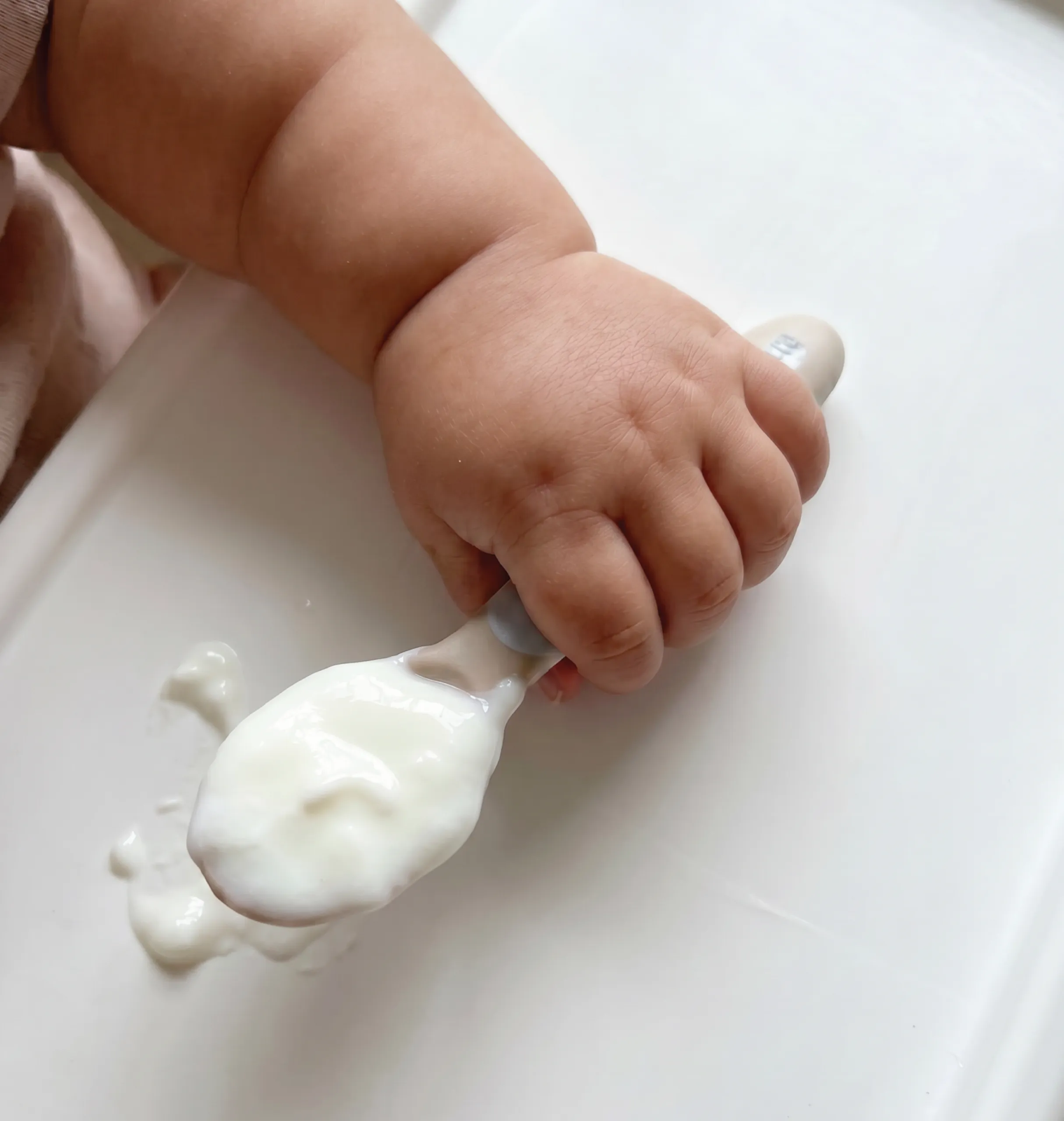
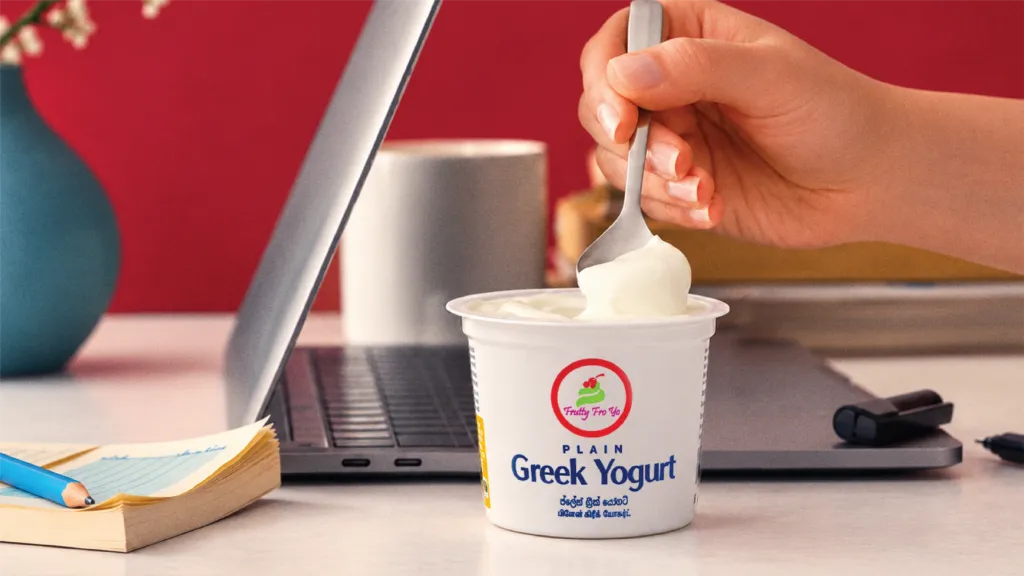
Many babies can try pasteurised, plain, full-fat yogurt from around six months, once they are developmentally ready for solid foods. Greek yogurt can be a useful option because its thick texture is easy to spoon and mix with other soft foods.
Every baby is different. Speak with your paediatrician before introducing yogurt if your baby was premature, has eczema, has a known food allergy, has reacted to dairy, or has another medical concern.
When can babies eat Greek yogurt?
Major infant-feeding guidance commonly places pasteurised yogurt among foods that can be introduced from around six months. Readiness for solids matters as much as age. A baby should be able to sit with support, control the head and neck, bring food to the mouth and swallow rather than push food straight back out.
Yogurt is not the same as giving cow’s milk as a drink. Breast milk or infant formula remains the main milk drink during the first year unless a qualified health professional gives different advice.
What type of yogurt for babies Sri Lanka parents should choose?
- Pasteurised yogurt.
- Plain and unsweetened yogurt with no added sugar.
- Full-fat yogurt for babies and young children unless a clinician advises otherwise.
- A short, clear ingredient list.
- A texture that is appropriate for the baby’s current feeding stage.
Why greek yogurt for babies can work well
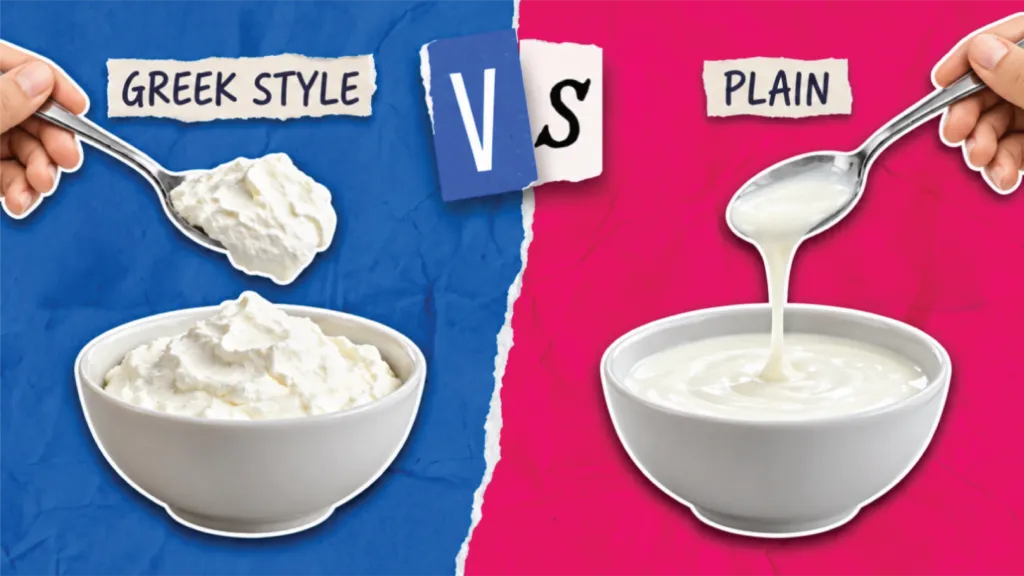
Greek yogurt is strained, so it is usually thicker than regular yogurt. The texture can make it easy to serve on a spoon or mix with mashed fruit and soft foods. Yogurt also provides protein and calcium, but it should be one part of a varied diet rather than treated as a complete meal on its own.
How to introduce it
Start with a small amount of plain yogurt during the day, when you can observe your baby. Avoid mixing several new foods together the first time. This makes it easier to identify which food may have caused a reaction if something changes.
Stop feeding and seek medical advice if you are concerned about a reaction. Urgent symptoms require urgent medical care. Parents with a strong family history of food allergy should discuss introduction with a paediatrician or allergy specialist.
Simple serving ideas
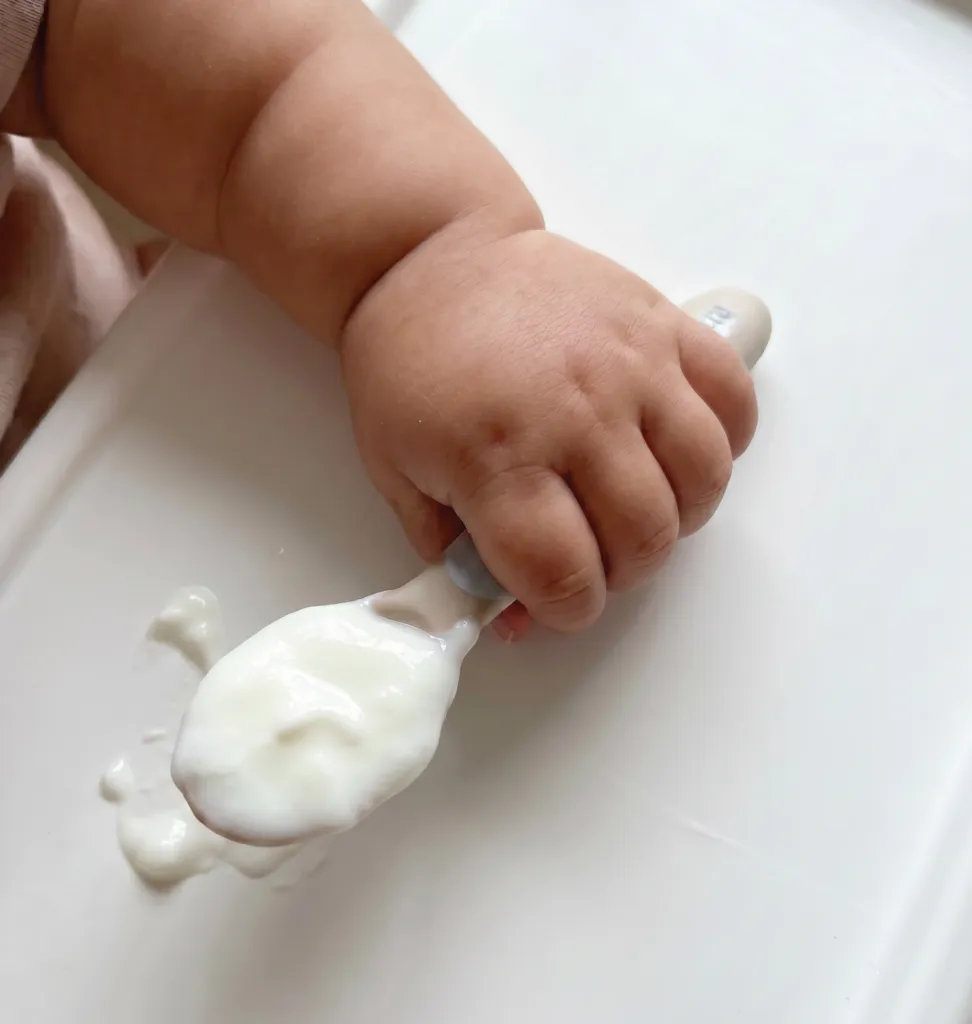
- Plain yogurt on a soft baby spoon.
- Yogurt mixed with mashed banana or ripe mango.
- Yogurt stirred into cooled baby oatmeal.
- Yogurt mixed with cooked and mashed sweet potato.
- A thin layer used as a dip for soft finger foods when the baby is ready.
What to avoid
Avoid unpasteurised dairy products. Avoid heavily sweetened flavoured yogurts for babies. Do not add honey before 12 months. Do not use yogurt to replace breast milk or infant formula. Follow the pack’s refrigeration and after-opening instructions, and always use a clean spoon.
Choosing Frutty Fro Yo for a baby
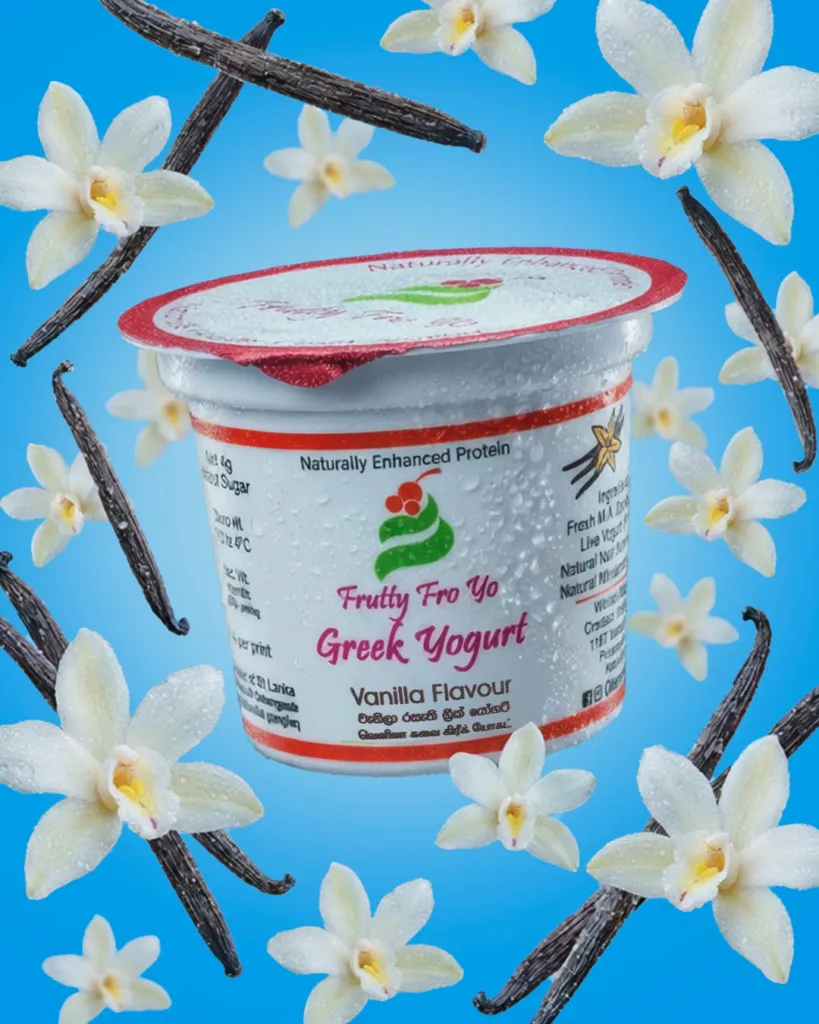
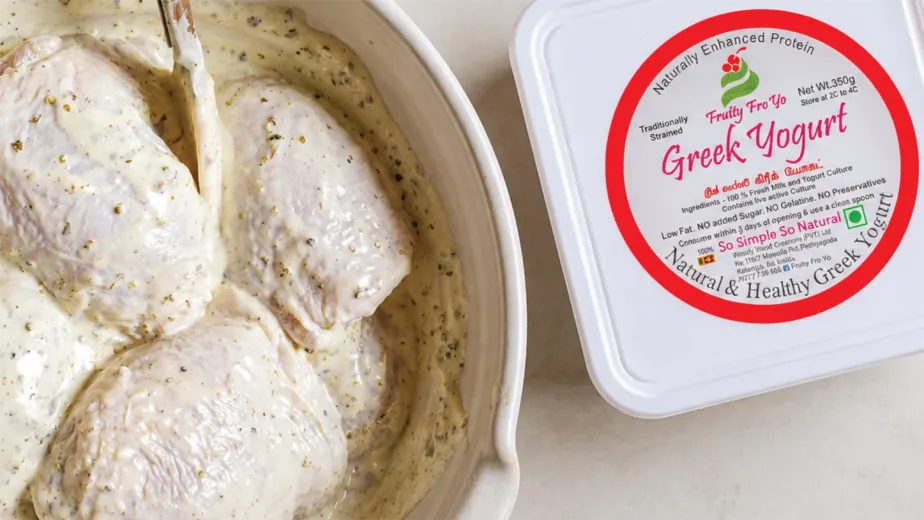
For baby feeding, the plain product is the relevant option. Check the current label before serving and confirm that the pack is within date, properly chilled and suitable for your child. Frutty Fro Yo’s website recommends speaking with a paediatrician before giving solids, and that advice should remain visible on the published page.
Choose plain Frutty Fro Yo Greek yogurt and speak with your paediatrician before introducing a new food to your baby.[cite: 6]