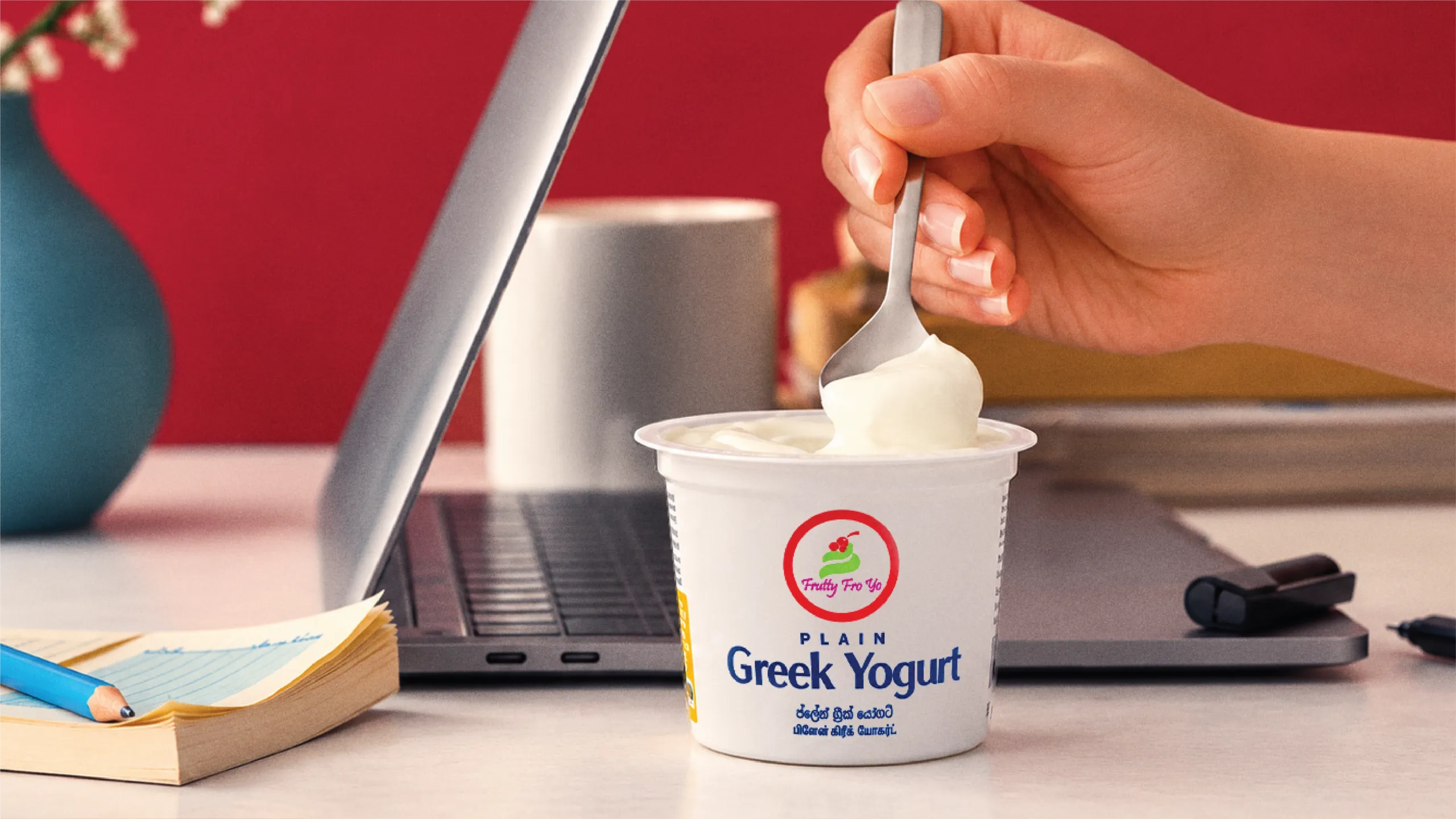
Greek yogurt is a fermented dairy food made from milk and live cultures. After the yogurt is formed, it is strained to remove part of the liquid whey. This makes it thicker and creamier than many regular yogurts.
What is Greek yogurt?
Regular yogurt begins when live cultures ferment milk. Greek yogurt follows the same basic process, then goes through straining. The extra step removes some liquid and creates a dense, spoonable texture.
සාමාන්ය යෝගට් සාදනු ලබන්නේ කිරි පැසවීමට ලක් කිරීමෙනි. ග්රීක් යෝගට් ද මෙම මූලික ක්රියාවලියම අනුගමනය කරන නමුත්, ඉන්පසු එය පෙරීමට ලක් කෙරේ. මෙම අමතර පියවර මගින් එහි ඇති අතිරික්ත දියර ඉවත් වී, ඝන සහ හැන්දකින් පහසුවෙන් ගත හැකි ක්රීම් ස්වභාවයක් (creamy texture) නිර්මාණය වේ.
How is it different from regular yogurt?
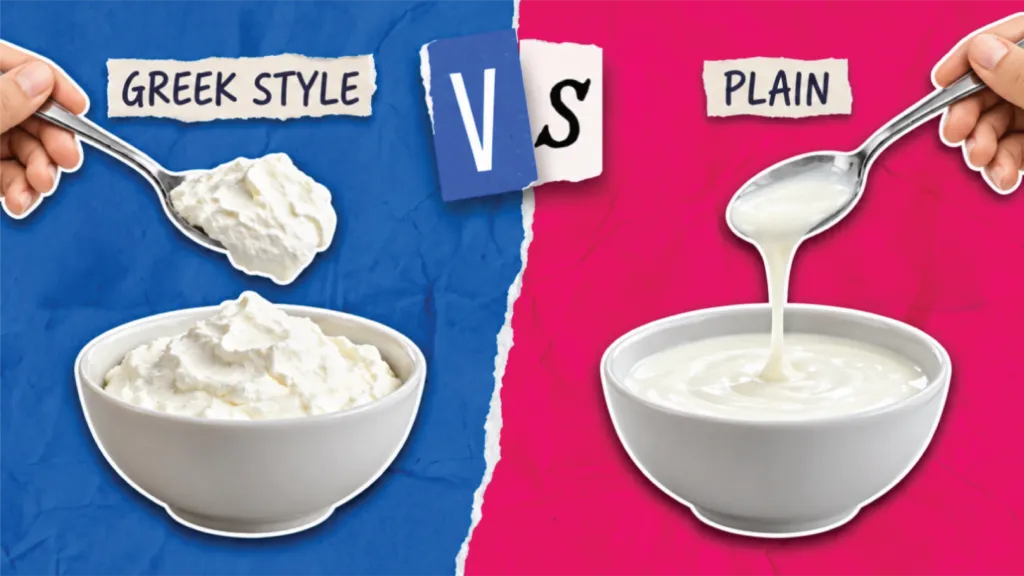
Regular yogurt usually keeps more liquid whey. It is often softer and easier to pour or stir. Greek yogurt is strained, so it is usually thicker and more concentrated. The exact nutrition still depends on the milk, recipe and serving size, so the product label remains important.
සාමාන්ය යෝගට් වල වැඩි වශයෙන් දියර (whey) රඳවා ගනී. එබැවින් ඒවා බොහෝ විට මෘදු වන අතර පහසුවෙන් කලවම් කළ හැක. නමුත් ග්රීක් යෝගට් පෙරීමට ලක් කරන නිසා ඒවා සාමාන්යයෙන් වඩාත් ඝන සහ සාන්ද්රණයෙන් වැඩිය. කෙසේ වෙතත්, එහි නිශ්චිත පෝෂණ ගුණය කිරි, වට්ටෝරුව සහ ලබා දෙන ප්රමාණය මත රඳා පවතින බැවින්, නිෂ්පාදන ලේබලය කියවීම වැදගත් වේ.
Greek yogurt, set curd and mee kiri
Sri Lankan set curd and mee kiri are familiar fermented dairy foods. They develop their own taste and texture through the milk used, the culture and the way they are set. Greek yogurt is defined mainly by the straining step after fermentation. It is not meant to replace curd. It is another dairy option with a different texture and range of uses in the growing market for greek yogurt sri lanka.
ශ්රී ලංකාවේ අපට හුරුපුරුදු කිරි නිෂ්පාදන වන මුදවපු කිරි සහ මී කිරි, ඒවාට යොදාගන්නා කිරි සහ සකස් කරන ආකාරය අනුවම ආවේණික වූ රසයක් සහ ස්වභාවයක් ගනී. ග්රීක් යෝගට් ප්රධාන වශයෙන් වෙනස් වන්නේ පැසවීමෙන් පසු එය පෙරීමට ලක් කරන බැවිනි. එය කිරි (curd) වෙනුවට ආදේශකයක් ලෙස භාවිතා කිරීමට නිපදවා නැත. එය ශ්රී ලංකාවේ වර්ධනය වන ග්රීක් යෝගට් වෙළඳපොලට එකතු වූ, වෙනස්ම වූ ස්වභාවයක් සහ භාවිතයන් රැසක් ඇති තවත් කිරි නිෂ්පාදනයකි.
How people use Greek yogurt in Sri Lanka
- Serve it with banana, mango, papaya or berries.
- Add oats, granola, nuts or seeds for breakfast.
- Use it in smoothies for a thicker texture.
- Mix it with herbs and spices for dips and dressings.
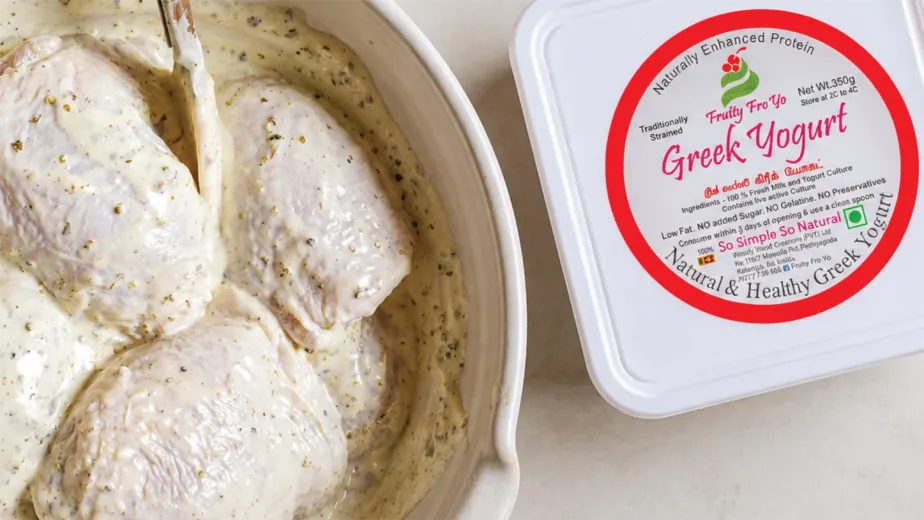
- Use it in marinades, baking and selected savoury recipes.
- කෙසෙල්, අඹ, ගස්ලබු හෝ බෙරි වර්ග සමග පිළිගන්වන්න.
- උදෑසන ආහාරය සඳහා ඕට්ස්, ග්රැනෝලා (granola), ඇට වර්ග හෝ බීජ (nuts or seeds) එකතු කරන්න.
- ස්මූති (smoothies) වලට වඩාත් ඝන ස්වභාවයක් ලබා දීම සඳහා භාවිතා කරන්න.
- ඩිප්ස් සහ ඩ්රෙසින් (dips and dressings) සෑදීමට ඖෂධ පැළෑටි සහ කුළුබඩු සමඟ මිශ්ර කරන්න.
- මස් වර්ග පදම් කිරීමට (marinades), බේක් කිරීමට (baking) සහ තෝරාගත් රසවත් වට්ටෝරු සඳහා භාවිතා කරන්න.
What to check before you buy
Read the ingredient list. Check whether the label explains that the yogurt is strained. Compare protein, added sugar and serving size. Choose plain or flavoured yogurt based on how you plan to eat it, and follow the storage instructions on the pack.
අඩංගු ද්රව්ය ලැයිස්තුව කියවන්න. යෝගට් පෙරීමකට (strained) ලක් කර ඇති බව ලේබලයේ සඳහන් කර ඇත්දැයි පරීක්ෂා කරන්න. ප්රෝටීන්, එකතු කරන ලද සීනි ප්රමාණය සහ සේවින් සයිස් (serving size) එක සසඳා බලන්න. ඔබ එය අනුභව කිරීමට සැලසුම් කරන ආකාරය අනුව ප්ලේන් (plain) හෝ රස කළ (flavoured) යෝගට් තෝරා ගන්න, තවද ඇසුරුමේ ඇති ගබඩා කිරීමේ උපදෙස් අනුගමනය කරන්න.
A simple definition to remember
Greek yogurt is cultured yogurt that is strained for a thicker texture. That one sentence is the easiest way to explain the product in English. To explain greek yogurt in sinhala, the final version should communicate the same idea naturally rather than translating every English word literally.
ග්රීක් යෝගට් යනු වඩාත් ඝන ස්වභාවයක් ලබා ගැනීම සඳහා පෙරීමට ලක් කළ යෝගට් වර්ගයකි. සිංහලෙන් ග්රීක් යෝගට් යනු කුමක්දැයි සරලවම පැහැදිලි කළ හැක්කේ එලෙසිනි.
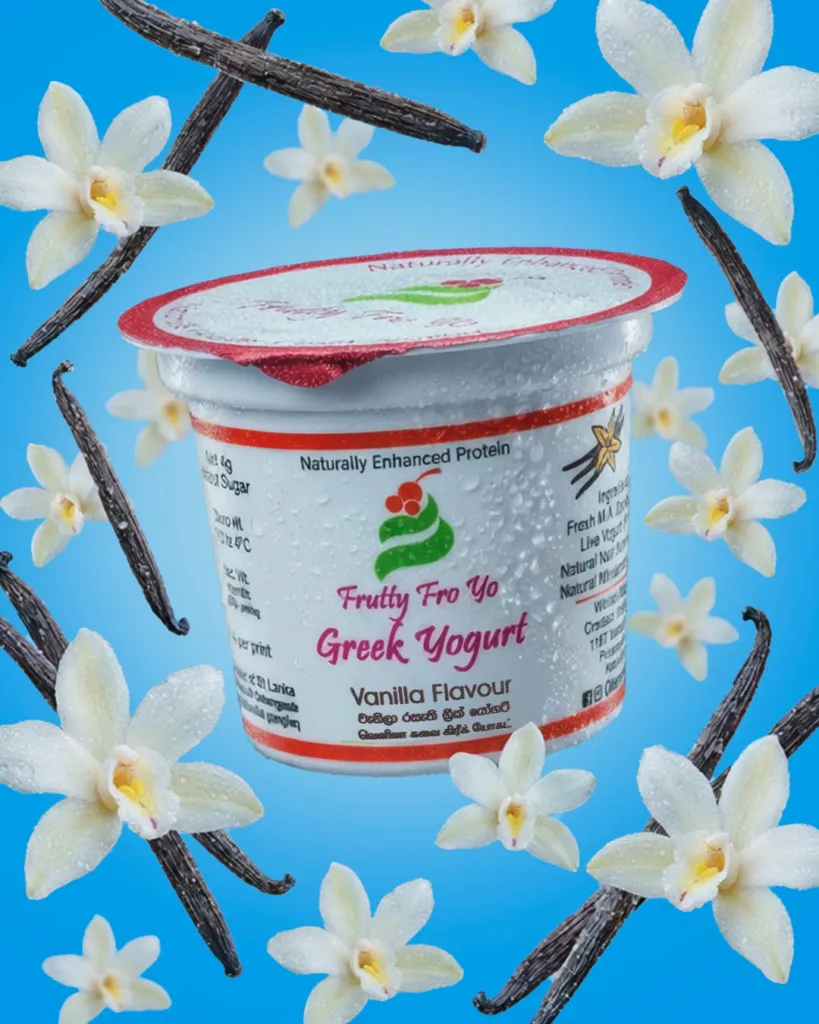
Try Frutty Fro Yo Greek yogurt, made fresh in Sri Lanka.