For many shoppers, glass feels like the greener choice. It looks premium, it is familiar and it has a long history in food packaging. Plastic, on the other hand, often gets treated as the easy villain.
The reality is more complicated, especially for chilled dairy products such as yogurt. Packaging is not only about how a container looks on the shelf. It is also about transport weight, breakage risk, sterilisation, retail handling, food safety and how the container moves through the full supply chain.
1. Glass is heavy to transport
Weight matters. Glass jars and bottles are much heavier than lightweight plastic tubs. When a delivery vehicle carries thousands of units, that extra weight can mean more fuel, fewer units per trip and more pressure on distribution.
Plastic packaging is lighter, which can reduce transport load and make chilled delivery more practical. For a fresh product that needs careful handling, that difference matters.
2. Glass needs more protection
Glass can break during transport, storage or retail handling. To reduce breakage, it often needs additional packaging such as dividers, padding or stronger outer cartons. Those extra materials add cost, weight and waste to the journey.
3. Recycling is not only about possibility
Glass can be recycled many times, which is a real advantage when the right infrastructure exists. But melting glass requires very high heat, and heavy glass also has to be collected and moved to the right processing facility.
Plastic also has serious waste challenges, and it must be managed responsibly. The point is not that plastic is perfect. The point is that the real environmental answer depends on the entire system, not the material alone.
4. Retail safety can change the decision
Supermarkets and retail spaces have to think about breakage, customer safety and hygiene. Broken glass in a chilled food section is a serious issue. For yogurt, a sealed plastic tub can be safer to stack, move, deliver and store.
5. Reusable glass still needs cleaning
A reusable glass model sounds simple, but dairy containers need strict washing and sterilisation. That process uses water, cleaning agents, heat and controlled systems. If cleaning is not perfect, the risk is not only packaging waste. It can become food waste through rejected batches or recalls.
6. Why Frutty Fro Yo chooses practical packaging
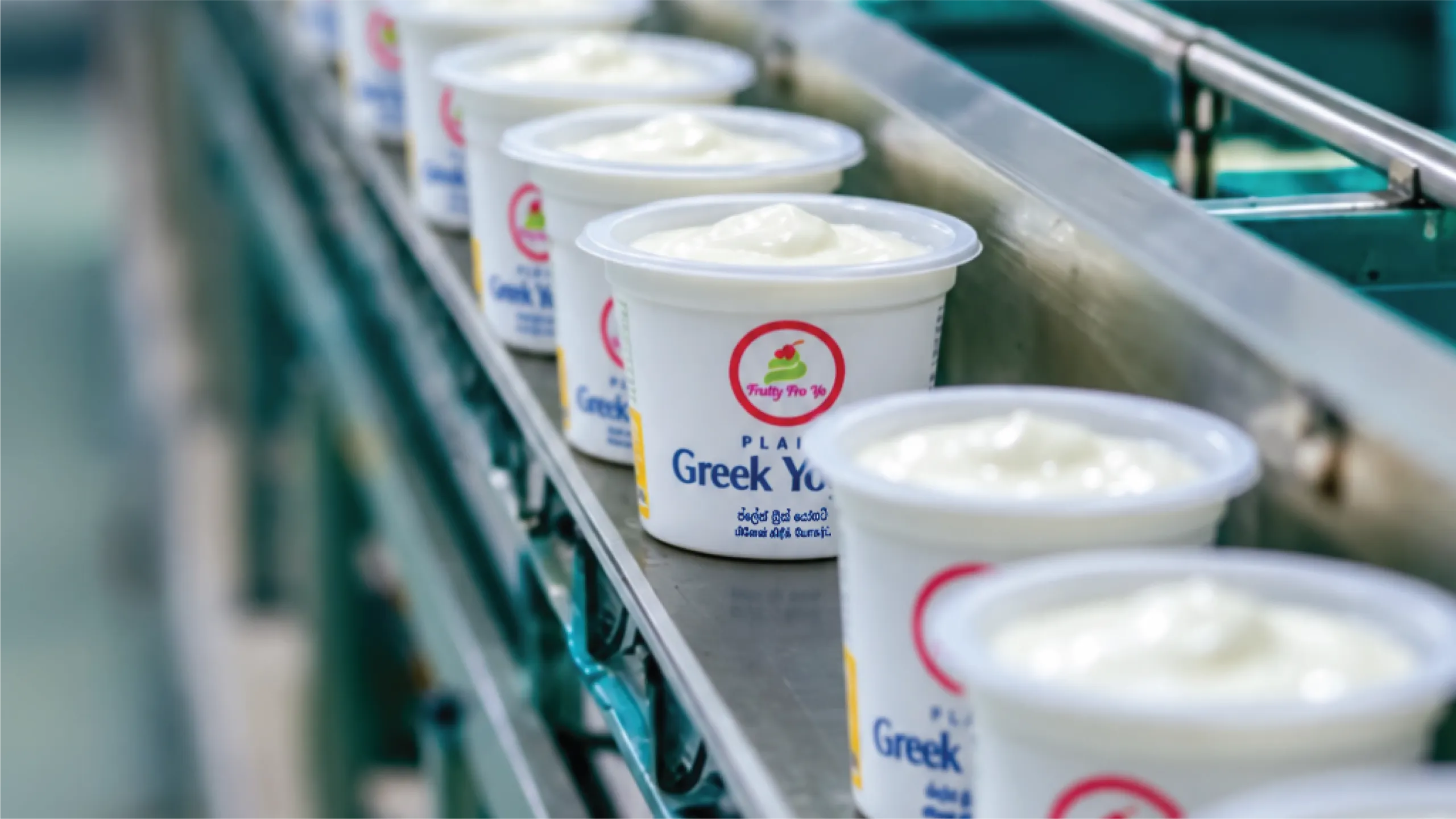
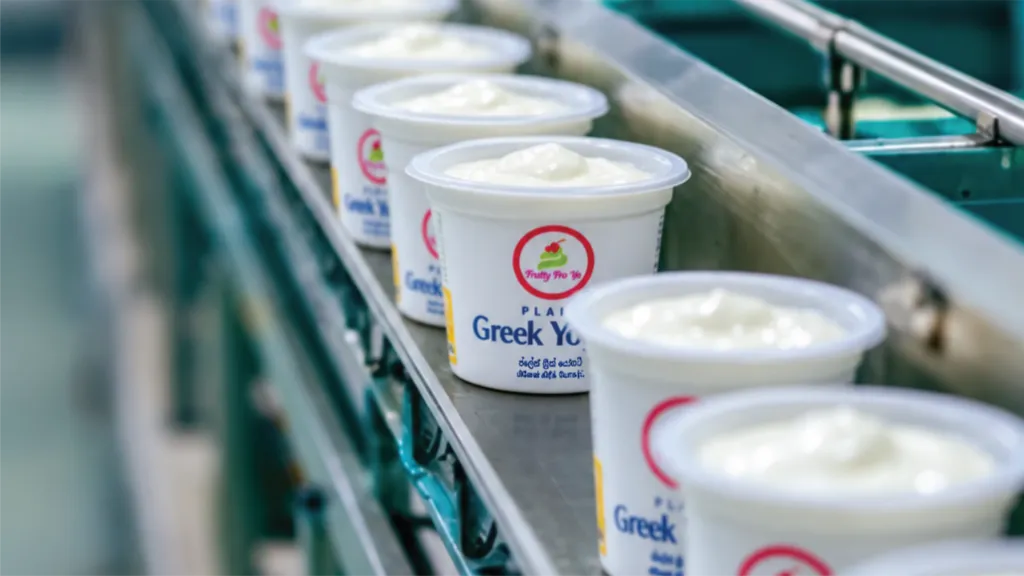
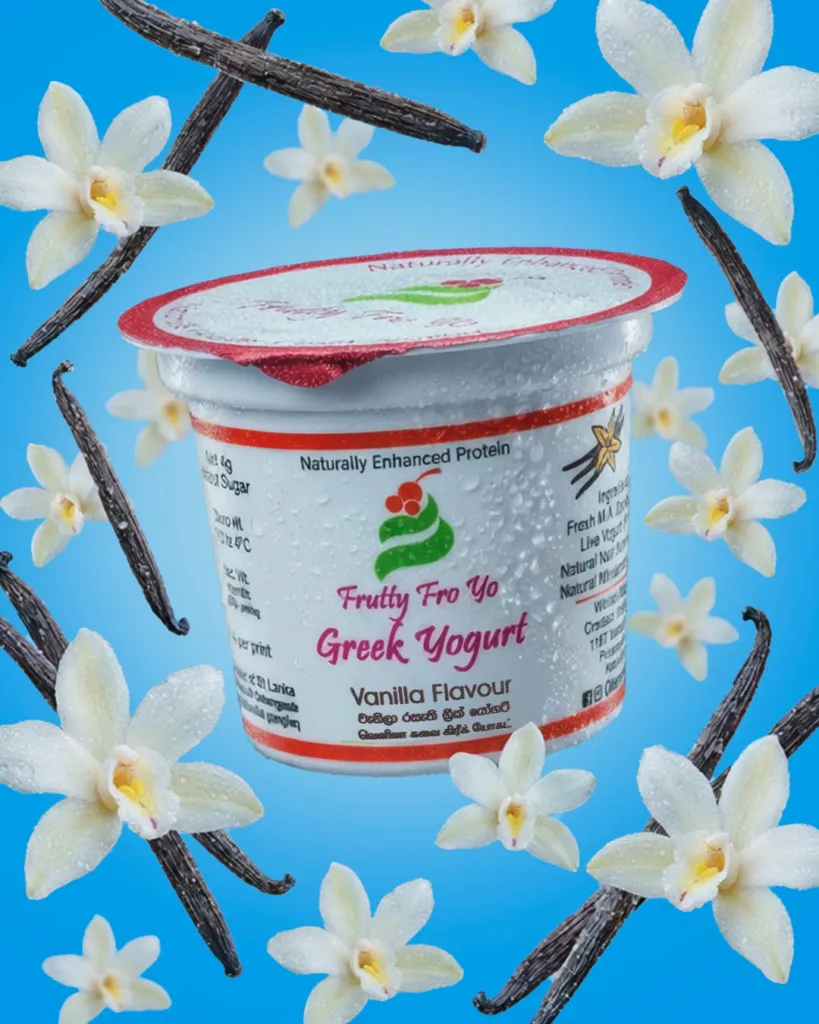
Frutty Fro Yo uses packaging that protects the product, keeps it fresh, supports safe handling and suits the realities of chilled dairy distribution. We will always keep looking for better options as packaging technology and local recycling systems improve.
Sustainability is not a single material choice. It is a series of practical decisions across sourcing, production, transport, storage and waste. For now, lightweight plastic packaging gives Frutty Fro Yo the most reliable balance between product safety, freshness and practical impact.
See how Frutty Fro Yo balances quality, freshness and practical packaging choices.