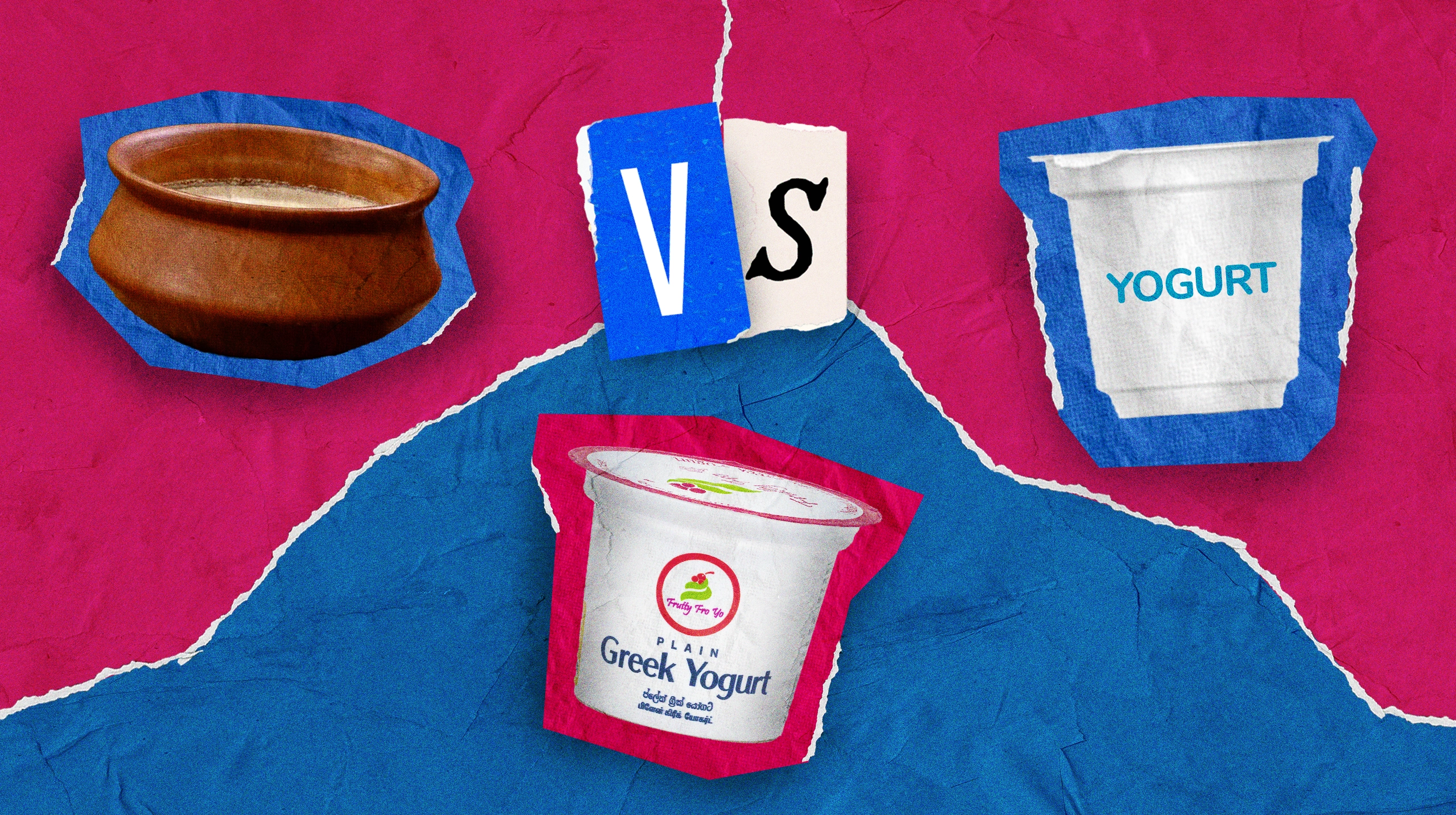
Greek Yogurt vs Regular Yogurt vs Sri Lankan Curd: What’s the Difference?

Blogs

Greek Yogurt vs Regular Yogurt vs Sri Lankan Curd: What’s the Difference?
Greek Yogurt vs Regular Yogurt vs Sri Lankan Curd: What’s the Difference?
Walk into any supermarket in Sri Lanka and you’ll find yogurt everywhere. Regular yogurt, flavoured yogurt, set yogurt, and now Greek yogurt.

But stand in the dairy aisle long enough and one question starts to nag: what’s actually the difference? And is Greek yogurt really worth it?

If you’ve ever wondered whether Greek yogurt, regular yogurt, and curd are all just the same thing in different packaging, you’re not alone.

This guide breaks it all down clearly so you can make the best choice for your health, your family, and your taste buds.

What Is Regular Yogurt?

Regular yogurt is made by culturing milk with live bacterial cultures: typically Lactobacillus bulgaricus and Streptococcus thermophilus.

The milk is pasteurized, the cultures are added, and the mixture is left to ferment until it thickens and develops its characteristic tangy flavour. Most commercial yogurts you’ll find in Sri Lankan supermarkets fall into this category.

They’re often thinned out with added water or thickened with skim milk powder to reduce costs, and many contain added sugar, artificial flavours, stabilisers and preservatives to extend shelf life and improve texture.

The results?

Product that looks like yogurt but delivers far less nutritional value than it should.

What Is Curd?

Curd (Dahi) is deeply rooted in South Asian food culture and has been a staple in Sri Lankan kitchens for generations. It’s made by fermenting boiled or culturing pasteurized milk with a small amount of previously made curd as a starter.

Traditional homemade curd is a wholesome, natural product. However, it’s typically thinner than Greek yogurt, lower in protein, and higher in carbohydrates because the whey is retained rather than strained out.

Store-bought curd in Sri Lanka often contains additives and stabilisers so it can vary significantly in quality depending on the brand.

What Is greek yogurt?

Greek yogurt starts exactly the same way as regular yogurt: milk cultured with live cultures.

The key difference is what happens next: Greek yogurt is strained through a fine cloth or filter to remove the liquid whey.

This straining process is where all the magic happens.

Straining Greek yogurt results in a product that is:

  • Significantly thicker and creamier in texture
  • Higher in protein (often 2x the protein of regular yogurt)
  • Lower in sugar and carbohydrates
  • Lower in sodium
  • Rich in probiotics and live cultures

Here’s a quick comparison to make it easy:

Protein: Greek yogurt leads at around 10g per 100g, compared to regular yogurt at 4–5g and curd at 3–4g.

Texture: Greek yogurt is thick and creamy. Regular yogurt is smooth but thinner. Curd is soft and set.

Sugar: Greek yogurt is lowest. Regular commercial yogurt is often highest due to added sugars. Dahi sits in the middle.

Probiotics: All three contain live cultures when made properly but many commercial products are heat-treated after fermentation, killing the probiotics.

Always look for “live cultures” on the label.

Preservatives: Real Greek yogurt and homemade dahi contain none.

Most commercial yogurts in Sri Lanka do.

Curabitur lobortis at ante vitae ultricies

Which One Is Best for Sri Lankans?The honest answer depends on what you need it for. Curd/Dahi is perfect for cooking traditional Sri Lankan dishes. It’s tangy, familiar, and works beautifully in curries, marinades and rice dishes.

Regular yogurt is fine as a quick snack if you’re not worried about protein or additives.

But if your priority is nutrition, whether you’re hitting the gym, managing weight, feeding a growing child, or simply trying to eat cleaner: Greek yogurt wins every time.

More protein, fewer additives, and a thick creamy texture that works equally well in both sweet and savoury applications.

What Makes Frutty Fro Yo Different?

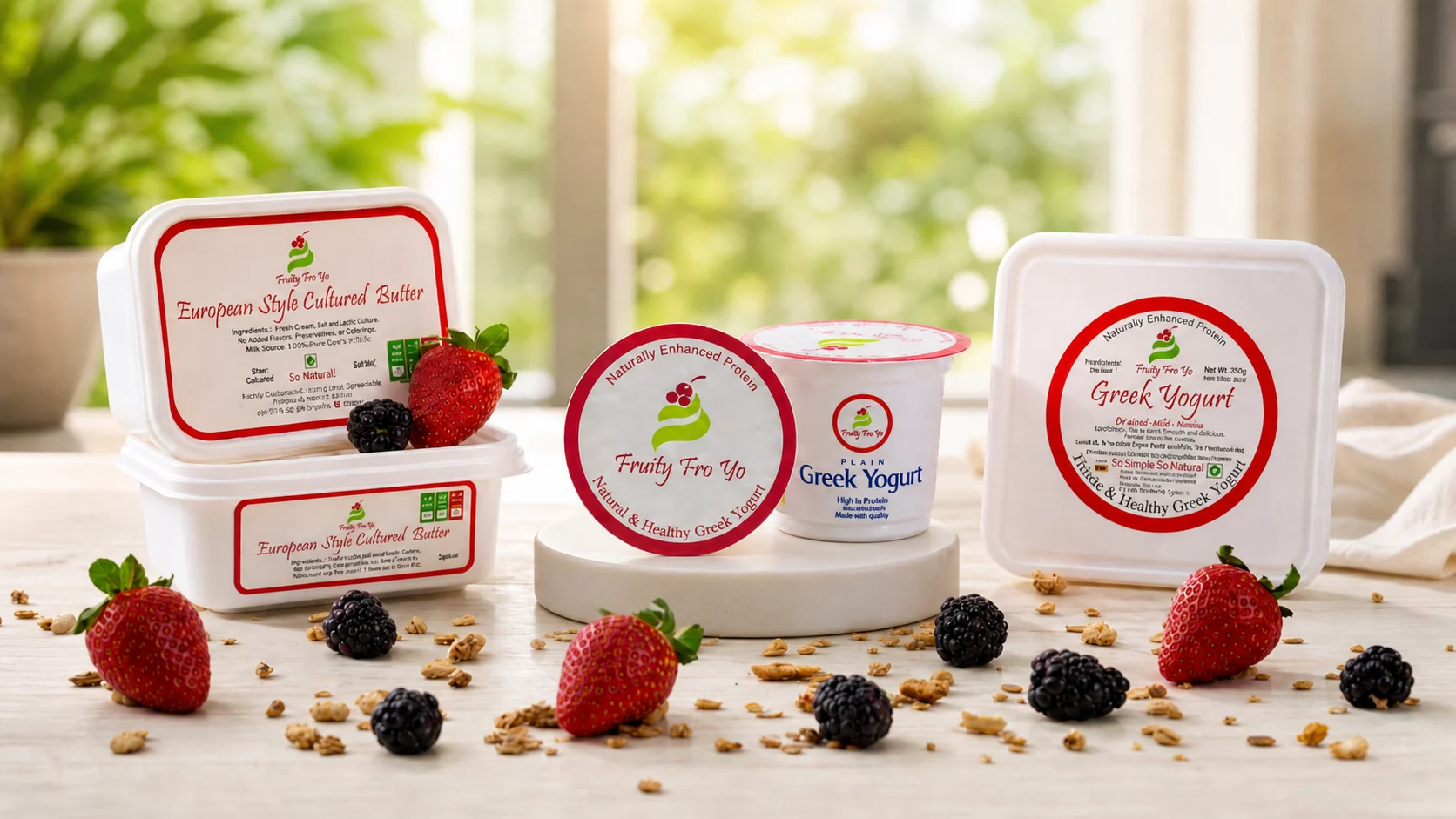
At Frutty Fro Yo, we make authentic strained Greek yogurt the right way:  fresh local milk, our own live cultures, and a slow straining process that produces that thick texture. No thickeners, no preservatives, no shortcuts.

Every batch is made weekly and independently lab-tested to guarantee quality.

That’s why families, gym-goers, new mums and even babies from 8 months old trust Frutty Fro Yo as their daily Greek yogurt.

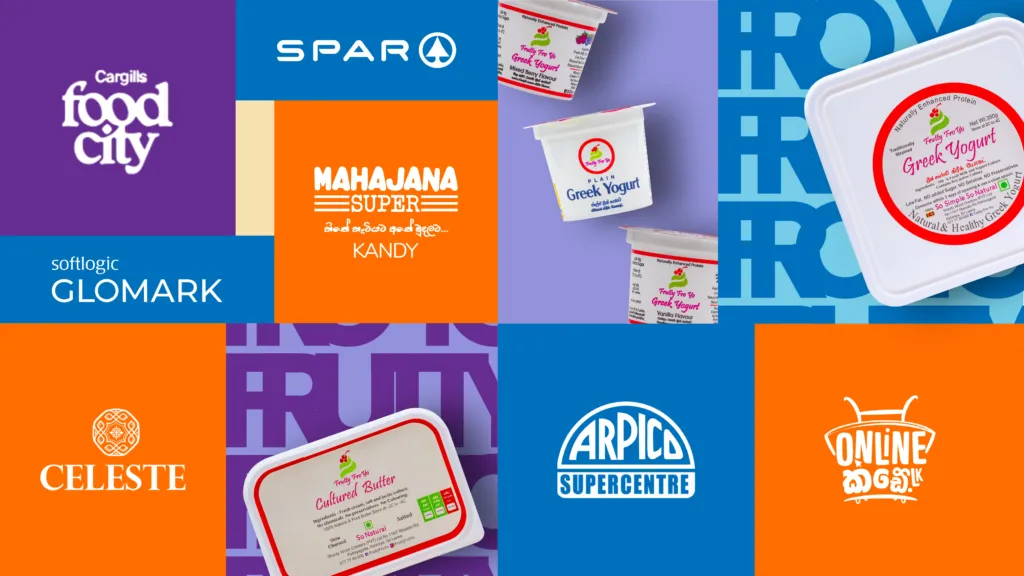
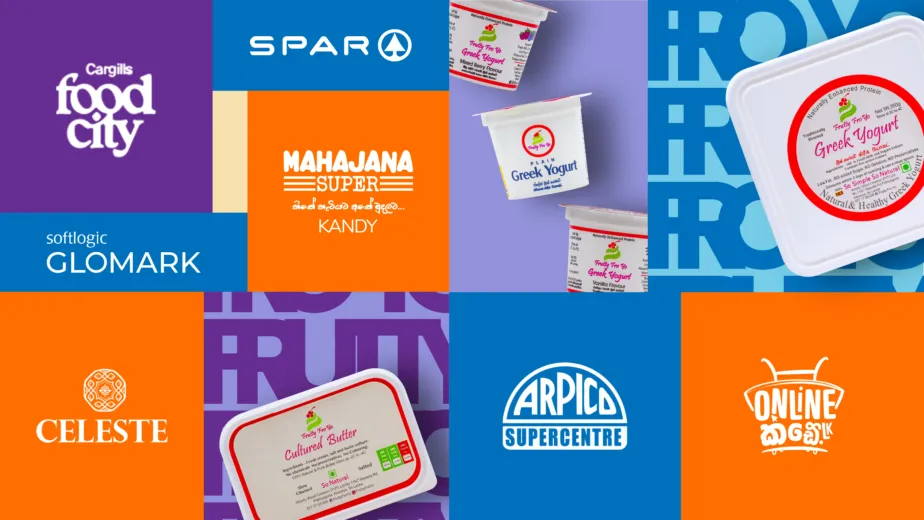
Find Frutty Fro Yo at Spar, Cargills, Glomark and Arpico across Sri Lanka or order directly on WhatsApp for home delivery.

The Bottom Line

Greek yogurt, regular yogurt, and dahi are definitely not the same thing.

If you’re looking for the highest protein, a clean ingredient list, and one of the most versatile dairy products currently available in Sri Lanka, then real Greek yogurt is easily the better option.

You can find good options from places like Online kade, Celeste and also through online stores for PickMe/Uber convenience.

Just make sure you’re buying actual Greek yogurt and not regular yogurt marketed as Greek yogurt 👀