Long before yogurt became a supermarket staple, it was a simple way to make milk last longer. The story begins thousands of years ago, when fresh milk met warmth, natural bacteria and time. What came out of that accident was thick, tart and easier to store than raw milk.
That early fermented dairy is the beginning of the yogurt we know today. It is also the reason modern shoppers still compare regular yogurt and Greek yogurt. The yogurt vs Greek yogurt difference is not a new argument. It is part of a much older story about texture, straining, culture and taste.
1. Ancient origins: the happy accident
Around 5000 BCE, communities in Central Asia and Mesopotamia began domesticating milk producing animals such as goats, sheep and cows. Fresh milk was often carried in animal skin pouches during travel. Inside those pouches, natural enzymes and wild bacteria mixed with the milk while the warm climate encouraged fermentation.
The result was not spoiled milk. It became a thicker, tangier food that lasted longer and was easier to carry. That simple discovery made fermented dairy part of daily life for herdsmen, families and travelling communities.
2. Yogurt moves through ancient food cultures
As people moved, traded and settled, yogurt travelled with them. Ancient Indian food traditions include fermented dairy. The Greeks enjoyed a similar food known as oxygala, often paired with honey. Across the Middle East and Central Asia, thickened milk became part of both everyday meals and traditional wellness practices.
The Mongol Empire is often linked with fermented dairy as a practical travelling food. In Europe, yogurt became better known in the sixteenth century after it was introduced to the French court as a food associated with digestion and recovery.
3. Where the word yogurt comes from
The modern word yogurt comes from the Turkish word yoğurmak, which means to thicken, curdle or knead. The meaning fits the food perfectly. Yogurt is milk that has been changed by live cultures into something thicker, tangier and more useful in the kitchen.
4. Science explains what people already knew
For centuries, people knew yogurt was different from milk, but they did not fully understand why. In 1905, Bulgarian medical student Stamen Grigorov studied Bulgarian yogurt under a microscope and identified the lactic acid bacteria involved in fermentation. This helped science explain the thick texture and tart flavour people already valued.
Later, Élie Metchnikoff connected fermented dairy with interest in longevity and gut health. His work helped yogurt move from traditional food into modern health food culture.
5. From pharmacies to breakfast tables
In the early twentieth century, yogurt was often sold for its perceived health value. Then brands such as Danone helped make it a commercial food for families. As plain yogurt was too tart for some markets, fruit and sweetened styles became popular, especially from the 1930s onward.
Today, yogurt appears in breakfast bowls, smoothies, marinades, dips and desserts. In Sri Lanka, it also fits naturally into a growing interest in fermented foods, high protein breakfasts and lighter everyday meals.
Where Greek yogurt fits in
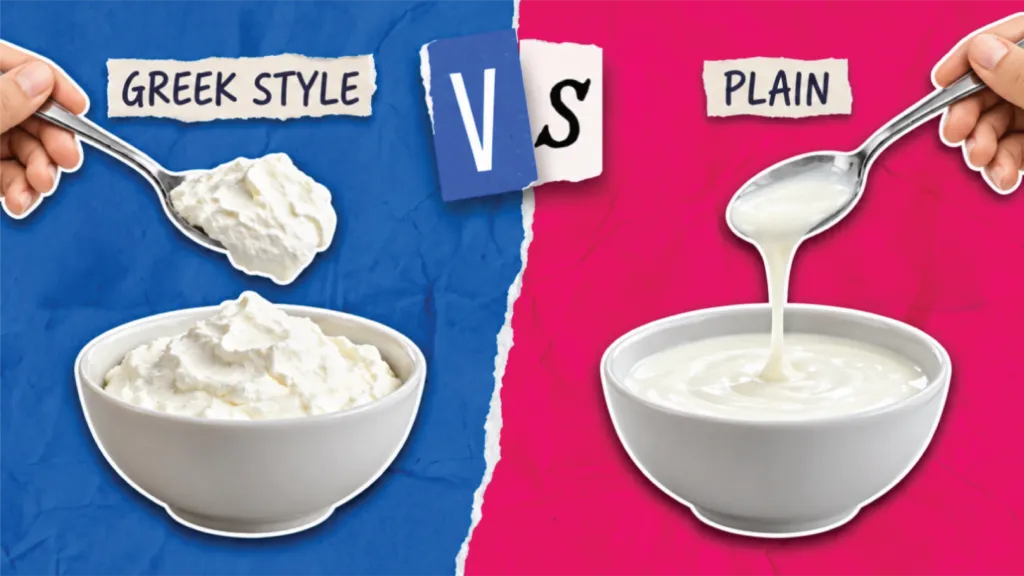
Greek yogurt is part of the same long history, with one extra step. It is strained to remove more whey, giving it a thicker texture and richer mouthfeel. That is the main yogurt vs Greek yogurt difference. The food may be ancient, but the way we use it today keeps changing.
Try Frutty Fro Yo Greek yogurt, a modern strained take on one of the world’s oldest fermented foods.